Japan Strategy Take Centre Stage at 11th IoD – Keizai Doyukai Roundtable
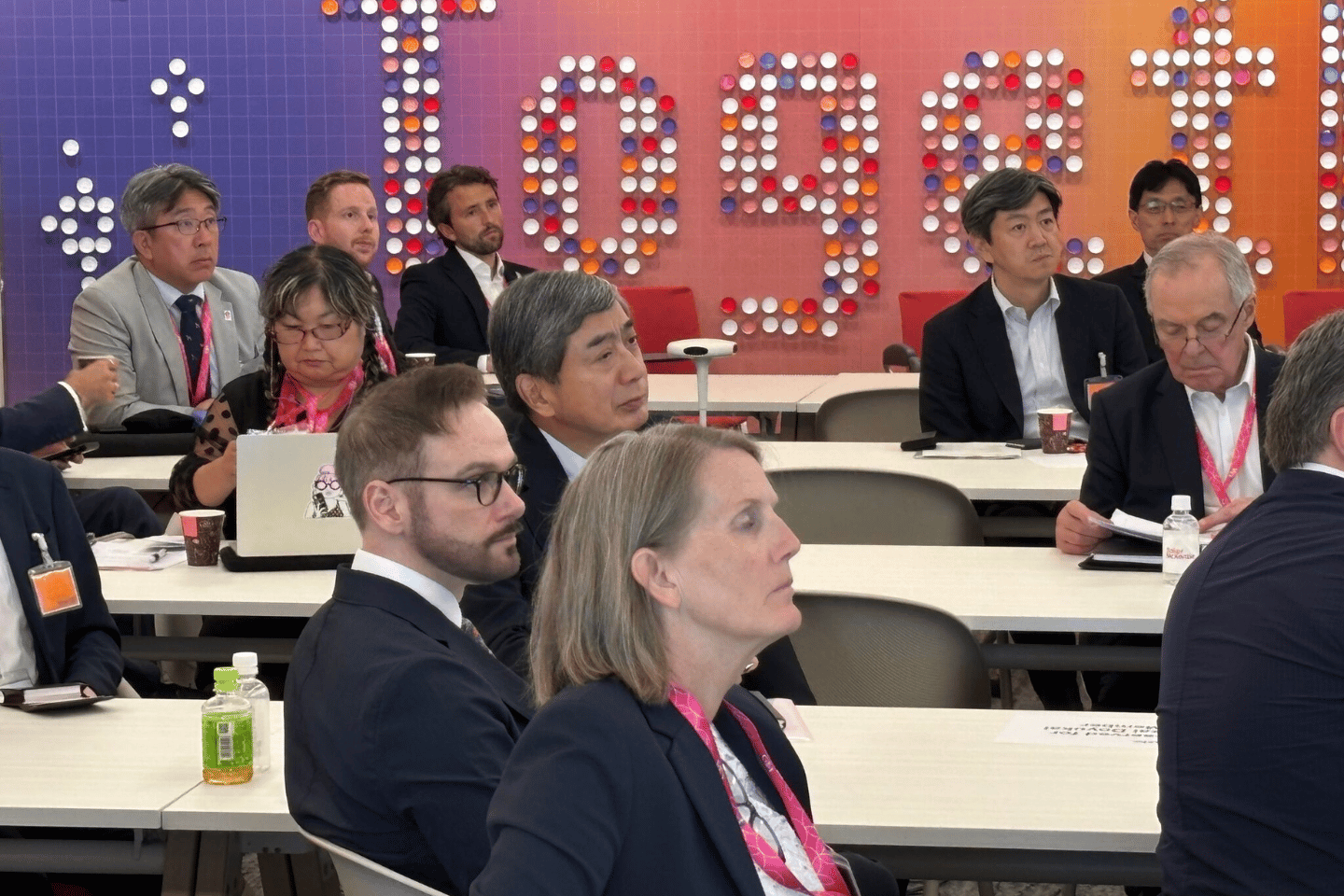
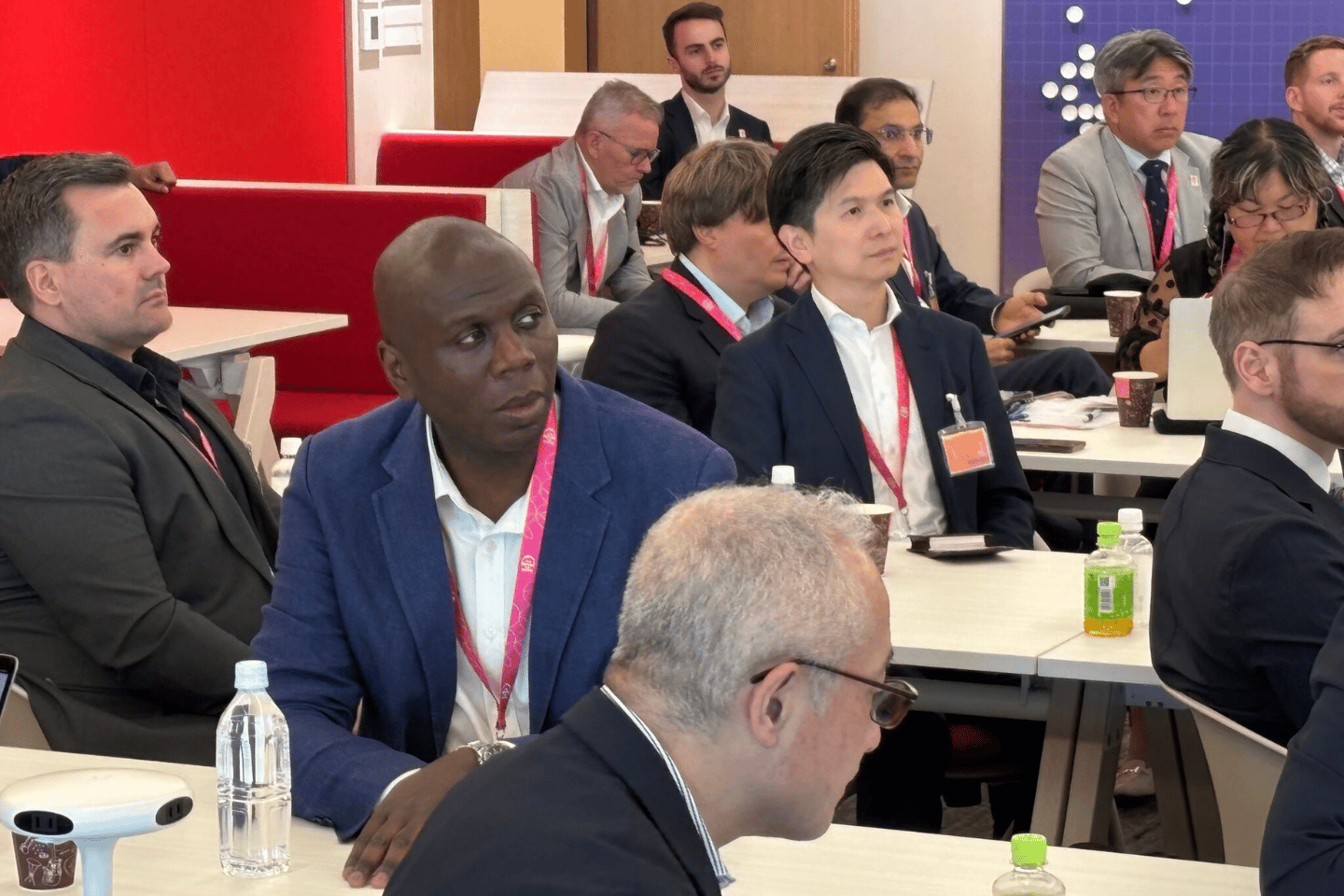
On 10 July 2025, over 40 senior business leaders and policymakers from the UK and Japan convened at Baker McKenzie’s Tokyo office for the 11th UK–Japan Roundtable, co-hosted by the Institute of Directors (IoD) Japan Business Group and the Keizai Doyukai (Japan Association of Corporate Directors) Europe–Japan Relations Committee.
The roundtable theme, “Geopolitics, trade disruption and tariff war: the impacts and developing a global business strategy including UK–Japan investment and trade initiatives (inbound and outbound),” reflected the urgency of navigating a dramatically shifting global economic order.
The event offered a timely platform for a high-level strategic exchange on global risks, bilateral cooperation, and business adaptation in the face of persistent volatility, including trade disruptions, tariff regimes, geopolitical tensions, and regulatory realignment.
Opening Reflections: Common Values in an Unstable World
The session began with mutual recognition of the strong historical and strategic bonds between the UK and Japan. The two nations facing similar macroeconomic headwinds while maintaining shared commitments to international cooperation and open trade.
Both sides reaffirmed that while the global economy is being reshaped by nationalism, military conflict, and decoupling strategies, the UK–Japan relationship offers a counter-cyclical model built on mutual respect, stability, and global engagement.
Geopolitical and Trade Headwinds: Legal and Business Perspectives
A keynote briefing by Mr James Heller, Chair of UK-Japan Connect and Partner at Baker McKenzie LLP presented a panoramic view of the current macroeconomic landscape: inflation remains elevated, interest rates are high, and global M&A activity is constrained by regulatory friction and political uncertainty. Private equity firms, however, continue to sit on more than $2 trillion in dry powder, offering hope of renewed market momentum, particularly if interest rates ease.
Discussion focused heavily on tariff escalation and trade fragmentation, notably driven by recent US industrial policy shifts. Section 232 tariffs, national security investment reviews, and extraterritorial export controls are forcing businesses to reconfigure their supply chains. The UK’s Competition and Markets Authority (CMA) and the US CFIUS were cited as especially aggressive and politicised regulators, causing deal delays and increasing risk for cross-border transactions.
From Strategy to Synergy: Trade, Technology, and Defence
The roundtable highlighted substantial areas of synergy and momentum between the two nations, especially in sectors like:
- Clean Energy: Japanese firms like Marubeni and Sumitomo are investing heavily in UK offshore wind, hydrogen, and battery storage systems.
- EVs and Manufacturing: Nissan and Toyota recommitting to UK production.
- Digital Infrastructure and AI: New collaborative frameworks established under the UK–Japan Digital Partnership.
- Defence and Security: GCAP next-generation fighter project, and deeper engagement through reciprocal military access agreements.
The nuclear energy sector emerged as a critical area for renewed UK–Japan collaboration, particularly around SMRs (small modular reactors), fusion innovation, and knowledge transfer.
Navigating China and Embracing India
The impact of China’s shifting posture was a recurring theme. Japanese firms are recalibrating strategies through “China+1” approaches, diversifying manufacturing and supply routes while managing geopolitical sensitivities. Delegates noted new challenges, such as the over-purchasing of Japanese exports (e.g. maccha) by Chinese resellers, disrupting B2B supply.
India, by contrast, was viewed as a growth engine with increasing attractiveness for both UK and Japanese companies. Delegates cited a positive turnaround in profitability for Japanese subsidiaries in India and discussed how regulatory and infrastructure cooperation can further support long-term strategic investment.
Looking Ahead: Practical Collaboration and Future Dialogue
Attendees voiced strong interest in succession planning and intergenerational business engagement, particularly within SMEs, regional industries, and tech startups. There was consensus that building long-term strategic capability between the UK and Japan must include deeper youth engagement, skills mobility, and leadership development.
In his closing remarks, Dr. Indranil Nath, Chair of the IoD Japan Business Group, emphasised the need for action-oriented next steps:
Plans are now in development for the next roundtable to be held in 2026, with a focus on deepening UK–Japan institutional, commercial, and investment ties.