

Secret squirrels Fearful employees are hoarding knowledge
'Knowledge is power’ has a new meaning. The mantra normally refers to people upskilling to improve their career prospects. But the threat of AI is encouraging employees to interpret the concept in an entirely different way.
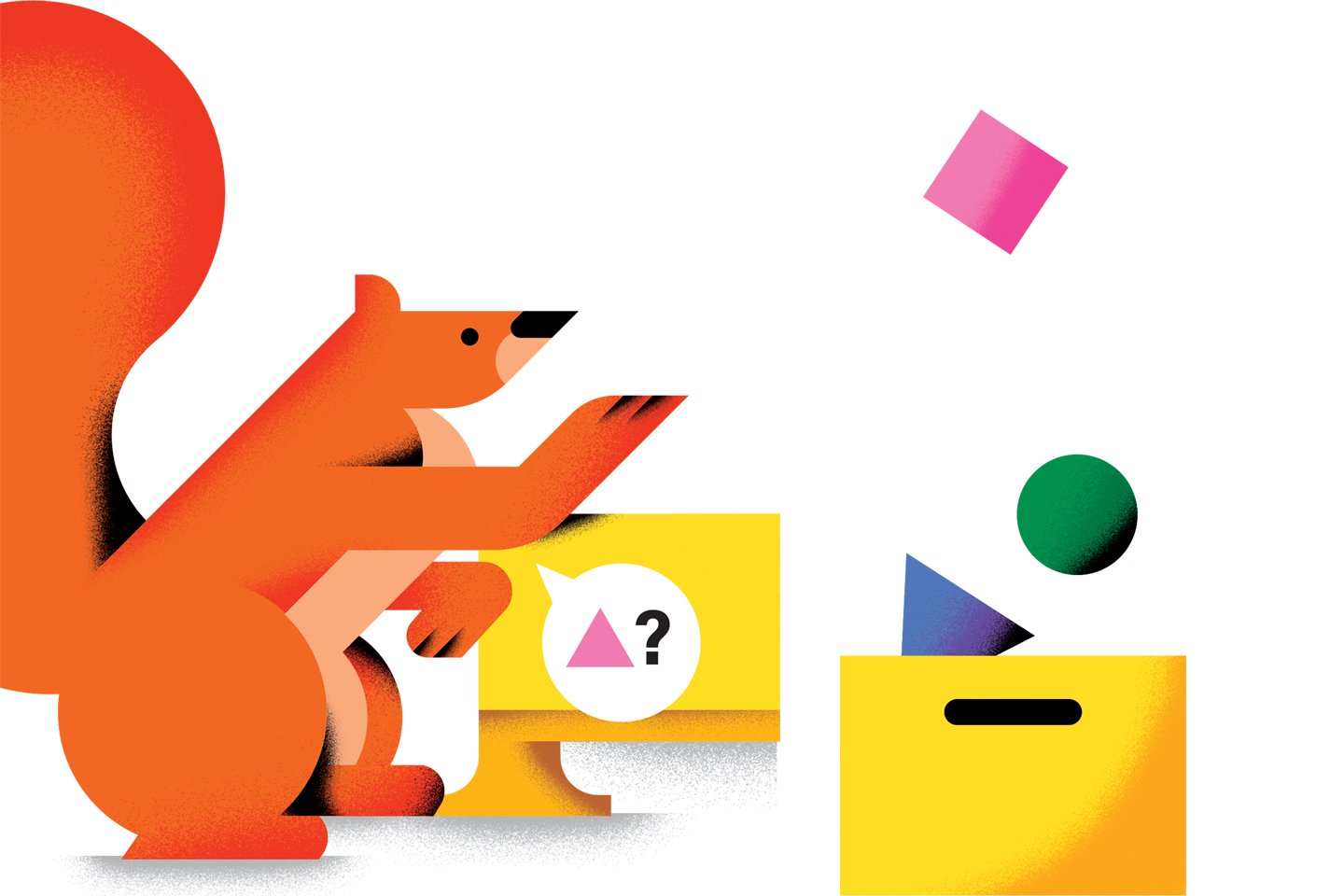
According to a report by technology consultancy Adaptavist, more than one in three (35%) workers admit they hoard knowledge to avoid being replaced by AI. Some 38% say they are reluctant to train colleagues in areas they see as their own personal strengths in a bid to make themselves indispensable. AI anxiety is particularly prominent among Zoomers (those born between 1997 and 2012). Some 40% of the generation say they are concerned about their job security.
Andrew Bryant is founder of Self Leadership International and author of Potential-Ize: How Leaders Unlock Human Potential in the Age of AI. This reaction from employees is understandable, he says, but fundamentally flawed. Ultimately, it is likely to be counterproductive. “Workers who hoard knowledge are not protecting themselves; they are making themselves fragile,” he argues. “Colleagues and managers notice. What looks like indispensability tends to read, over time, as insecurity or obstruction.
“The hard reality is this: the skills most vulnerable to AI are procedural and repeatable,” he adds. “The skills least vulnerable are relational, judgemental and adaptive. Automation and AI can only replace human performance. The missed opportunity is for this revolution to be an amplifier of human potential. A worker who shares what they know, coaches others – and positions themselves as a force multiplier – is demonstrating precisely the human capabilities that no algorithm replicates.”
Firms will hope employees heed Bryant’s advice. Knowledge-hoarding is bad for business. “For employers, knowledge gatekeeping is a real problem,” says Hassan Raja, chief markets officer at AI consultancy Klarus. “It creates bottlenecks, slows productivity, makes it harder to build skills across the team and stops businesses capturing the frontline knowledge they need to improve the way they work. The real barrier to AI adoption is not the technology; it is whether people believe the change is being done with them – or to them. If employees feel they’re competing with AI, you get resistance rather than progress.”
Dr Andrew Wilson, department education lead and senior lecturer at Manchester Metropolitan University Business School, says this could lead to lower task performance, reduced creativity and deteriorating workplace behaviour. He stresses the need to create a culture of psychological safety where employees can take interpersonal risks without fear of negative consequences. “Employers should reward reusable contributions, such as maintaining shared playbooks or mentoring colleagues, and build these into promotion and recognition systems,” he adds. “When staff see knowledge-sharing as an asset rather than a liability, gatekeeping tendencies diminish significantly.”
Reward collaboration
Bryant concurs that redefining what gets rewarded will help change the culture. “Most performance management systems still measure individual output,” he points out. “If collaborative behaviour matters to the organisation, it needs to be measured and recognised. Promotion criteria and team metrics should reflect contributions to others’ development.”
“Structured opportunities also help,” he adds. “Not everyone initiates knowledge-sharing naturally; many need a format and a prompt. Mentoring and cross-functional projects create the conditions where knowledge flows without requiring exceptional effort from individuals.”
Angela Rixon is founder and chief executive of The Centre for Meaningful Work and author of Meaning Over Purpose. She argues that employees who feel threatened by advancing technology will adopt defence mechanisms. “People focus on protecting their position rather than contributing to their full capability,” she says. “Collaboration declines, experimentation drops and self-protection begins to replace shared problem-solving.
“Over time this erodes trust, discretionary effort and the informal problem-solving that keeps organisations adaptive. Anxiety about AI can accelerate this if employees assume technology is a replacement strategy rather than an enabler.”
The starting point to overcome this, says Bryant, is honest communication. “Reassurances do not reduce anxiety; specific, credible plans do,” he says. “Employees need to understand which parts of their role AI is likely to augment, which it will automate – and where new responsibilities are emerging. Leaders who avoid these conversations in the name of calm are producing the opposite.”
Effective training to help staff adjust is also vital, says Imran Akhtar, head of academy at talent and training firm Mthree. “We’re past the point of viewing AI adoption and skills development separately,” he says. “Employers need to treat them as part of the same conversation. AI training needs to be implemented across the organisation to understand where human judgement still matters, and how to use AI well at work. When people can see investment in their future, they are much more likely to embrace change rather than fear it.”
About the author

Nick Martindale is an award-winning freelance business journalist, editor and copywriter specialising in workplace, business and technology issues. He writes for leading UK publications, edits professional journals, and helps organisations produce engaging thought leadership, editorial and marketing content. His clients have included Amazon, RS, DS Smith, Levelpath and Warwick Business School. Through journalism, editing and consultancy, he helps businesses and professional bodies communicate with clarity, authority and impact.

Director Magazine
This article is published as part of IoD Director, the authoritative voice of UK business leadership.

Get updates from Director
There has been an unexpected error.
Thank you for subscribing.
Unsubscribe at any time. Read our privacy policy.


